


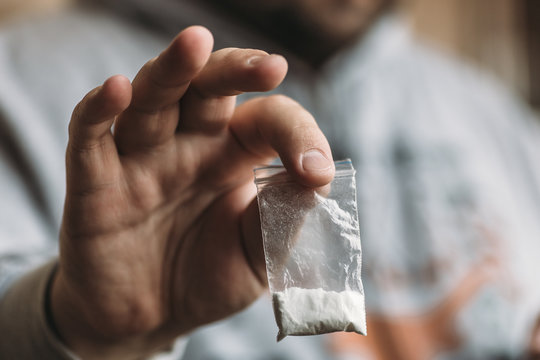
Illegal drug marketplaces can expose visitors to more than the risks associated with controlled substances. Some websites that advertise cocaine may be fraudulent operations designed to steal money, collect personal information, distribute malicious software, or facilitate blackmail.
Knowing how to recognize suspicious websites can help people avoid scams and protect their personal and financial information. The following steps focus on identifying warning signs and staying away from fraudulent online marketplaces.
Step 1 Look for Unrealistic Claims
A suspicious website may make exaggerated claims about its products, reliability, availability, or delivery. Marketing language designed to create a strong sense of confidence does not prove that the website is genuine.
Be particularly cautious when a site makes guarantees that would be difficult or impossible to verify.
Step 2 Check for Pressure to Act Quickly
Scammers often try to prevent people from thinking carefully. They may use countdowns, limited-time claims, repeated messages, or urgent payment requests.
Pressure should be treated as a warning sign. Legitimate online services generally do not need to manipulate visitors into making immediate decisions.
Step 3 Be Suspicious of Unverifiable Reviews
Fake websites can display customer testimonials and ratings to create an appearance of credibility. However, these reviews may be fabricated, copied, or controlled by the website operator. Online discussions involving cocaine for sale should address the risks of addiction and serious health complications.
A collection of positive testimonials should therefore not be considered proof that an illegal marketplace is legitimate or safe.
Step 4 Watch for Suspicious Payment Requests
Requests for unusual payment methods or repeated demands for additional fees can indicate fraud.
A common scam pattern is to request an initial payment and then claim that another payment is required for a supposed delivery, insurance, customs, or processing problem. Sending additional money may simply lead to further demands.
Step 5 Avoid Sharing Sensitive Information
Suspicious websites may request more personal information than is reasonably necessary. This can include identification documents, addresses, financial information, account credentials, or other sensitive details.
Providing such information to unknown operators can create risks of identity theft, fraud, harassment, and blackmail.
Step 6 Examine the Website Carefully
Poor spelling, copied content, broken pages, inconsistent branding, and recently created-looking websites can be warning signs of a fraudulent operation.
However, a polished website should not automatically be considered trustworthy either. Scammers can create professional-looking websites specifically to make their operations appear credible.
Step 7 Be Careful With Suspicious Links and Downloads
Unknown websites may contain links or downloads that attempt to install malicious software or collect information.
Do not download unfamiliar files or enter passwords and financial details on suspicious pages. Keeping your browser and security software updated can also reduce exposure to common online threats.
Step 8 Remember That Illegal Products Have No Reliable Quality Guarantee
Even if a website appears authentic, there is no dependable way to establish the contents, purity, or strength of an illegally sold drug through an online advertisement.
A product advertised as cocaine could contain unexpected substances or contaminants, creating serious health risks.
Step 9 Consider the Legal Risks
Cocaine is a controlled substance in many jurisdictions. Purchasing, possessing, importing, or distributing it may result in criminal consequences depending on local law.
The fact that a website appears genuine does not make the underlying transaction legal.
Step 10 Leave Suspicious Websites Alone
The safest response to a suspicious illegal-drug website is not to interact with it. Do not send money, provide personal information, download files, or attempt to test whether the seller is genuine.
If you have already provided financial or personal information, consider contacting the relevant financial institution, securing affected accounts, and obtaining appropriate professional assistance.
What Are the Biggest Warning Signs?
Several warning signs can appear together on fraudulent websites:
- Unrealistic promises or guarantees
- Pressure to make immediate payments
- Unverifiable customer reviews
- Requests for excessive personal information
- Repeated demands for additional payments
- Suspicious links or downloads
- Poorly written or copied website content
- Claims that cannot be independently verified
One warning sign alone does not establish that a website is fraudulent, but multiple warning signs should encourage extreme caution.
What Should You Do If You Have Been Scammed?
If you believe an online operation has defrauded you, avoid sending additional money. Save relevant communications, transaction records, and website information. Information related to buy cocaine can also highlight concerns involving privacy, financial fraud, and personal security.
Contact your bank or payment provider if financial information or funds are involved. If personal information was exposed, consider changing affected passwords and monitoring accounts for suspicious activity.
For threats, blackmail, identity theft, or other serious crimes, contacting appropriate local authorities or a qualified legal professional may be appropriate.
Conclusion
Recognizing fake cocaine sales websites is primarily about recognizing online fraud and protecting yourself from harm. Professional website design, positive reviews, and confident claims do not guarantee that an illegal marketplace is genuine or safe.
The safest approach is to avoid illegal drug marketplaces entirely. Protect personal information, avoid suspicious payments and downloads, and seek professional assistance if you have experienced fraud, threats, or concerns related to substance use.
